Four Mapels

Four Mapels

Friday, October 28, 2011

Garlic Greatness

About four years ago I realized that garlic was something that I could actually grow in Iowa.  For some reason, I had been under the impression that garlic was a tropical crop, but upon making my discovery, I launched into production.

I ordered four bulbs from Seed Savers and then was rather surprised when it showed up on my door in October.  What?! 

Turns out you start garlic in the fall and it over winters rather nicely.  Broke those four bulbs of garlic up into roughly 20 cloves and planted them 4 inches down in well tilled soil.  Then covered them with another 3 or 4 inches of straw.

And then I worried

Seriously? They can stand temperatures that reach well below zero for weeks at a time?  I was a little skeptical. 

When March finally rolled around I started patrolling the garlic patch.....and patrolling.....and patrolling.......and just about the time that I was convinced that all was lost, the garlic poked its head out of the straw and started reaching for the sky with its long green stems. 

Since that first year, I have gained more confidence in my garlic - and I have gained more garlic.  The first year we ate all but the 4 bulbs I saved back for seed in a matter of weeks, so I started saving back more bulbs each year.  Now, I am up to saving approximately 7-8  bulbs which, when split into cloves, equals approximately 40-50 bulbs of garlic.  Not to mention that I have started some from seed - these, of course, take about 2 years to get up to edible size, but they help to supplement the constant garlic cravings. 

Garlic is one of those herb/vegetable/seasoning plants that can go in just about everything.  I use it when I pickle cucumbers, I even just pickled some of the garlic by itself this year to be used later in things like salad dressings.  Every pizza gets topped with it, every jar of salsa contains it, and when in doubt it gets added to just about everything. 

The health benefits of garlic are touted to be many, and personally, I really don't doubt any of them.  My one main medicinal use of garlic however involves its use in ear aches.  Don't ask me why this works, but it has now - twice.  Slivers of garlic warmed in a tablespoon of olive oil on the stove - I take a sliver of the garlic and wrap it in a cotton ball and then place that in the ear with a little of the warm (not hot) oil that it was sauteed in. Leave it in overnight and replace in the morning if needed.....so far haven't needed to because the ear ache has been gone.   When I did this to my 9 year old, I had looked in her ears first with my otoscope and been somewhat horrified at how red they were and how much fluid was present behind the ear drum - "doctor visit for sure" I thought, but tried the garlic and the next morning she woke up happy and ear ache free.......weird, but wonderful.  

I am also convinced of garlic's ability to repel mosquitoes and other biting insects.  I haven't actually put on bug spray for a few years now because they just don't bite anymore.  Other people will be over and are constantly slapping at them so I know they still exist and are around, but I haven't had more than  two or three bites all summer.  Then again, it could be that I really smell like garlic all the time (to more than just the bugs) and have become so immune to the smell, that I no longer notice.

So, now, as the leaves all fall to the ground and the days start getting colder and shorter, I prep the soil for next year's crop of garlic, tuck it in and cover it with a warm blanket of straw.  Knowing that it is out there, huddled under the snow and straw and soil just waiting for Spring's resurrection, helps to make the quickly approaching winter a little more bearable.

Monday, October 24, 2011

Hair of the Dog

Of the many things that I have discovered during this whole "grow your own food" thing, saged brandy or "brandy elixir" has to be one of the best.  I picked up a preserves book at the local public library about a year ago that was written by some guru in England.  In it were many notable recipes that have since been tried in one form or another, but the one that caught my eye and won my heart was her Brandy Elixir. 

I had never been much of a fan of Brandy.  Actually didn't register the difference between it and Whiskey for quite some time, but after making my first small batch of this.....well....suffice it to say.there are no more small batches, only large ones. 

This is entirely too simple:
  • Large quantity of inexpensive brandy
  • Sage leaves
  • Jar
  • Sunlit window for about 1 month
  • Sugar
  • Water
I mix the entire jar of Brandy and approximately 2 oz ( or as much as I feel I can reasonably pick off my sage plant) into a quart canning jar, tighten the lid and place it on a sunny windowsill for a month.

I shake it any time I walk by it and remember that it is there.
After 1 month or so, I make a sugar solution by mixing 1 cup of sugar with 3/4 cup of water and I boil that for one minute and then let it come to room temperature.  I strain out the sage leaves and combine the Brandy with the sugar solution and mix well.  This, then, gets poured into sterilized jars (usually the original Brandy jar works well along with a smaller jar (say, the flask that gets carried around to rather cold sporting events in the winter)

This sage brandy works well as a cough suppressant, a sleep aid, or (as suggested in the original English Preserves book) as a "restorative"....whatever that might mean.  My husband and I have since taken liberties with that suggestion and are rather good at "restoring" ourselves with a cap full in the coffee in the morning. 

This one favorite has now led to experimenting with "cordials" of raspberry and pear.  They are all still aging in the canning cupboard, but with any luck they will be ready for sharing by the solstice.

Monday, October 17, 2011

Occupy Iowa


There is a movement afoot.  People of all walks of life are occupying everywhere - Wall Street, Boston,  San Fransisco, Dallas......you name it and there are people starting to line the streets that are angry, unsettled, out of work, out of faith...just out.   The main theme, although somewhat unestablished, seems to be a general loss of trust in the system.  Wall Street has bought out our government and We The People are tired of it.....and it is about time. 

This may be very un-American to say, but I have been disenfranchised with the system now for quite some time, and by system I mean the system of big business and big lobbyists controlling what bills get passed and which ones conveniently disappear from committee.   I re-read the Declaration of Independence not too long ago and I had a strong desire to reissue it to our present government, put my name up there with John Hancock and Benjamin Franklin and send it via post to the White House.

I have an intense desire to join the mob flowing into the streets, pitch a tent and live there for a while if only to fully state my level of distrust in the system. And then it dawned on me.....I have.  Eight years ago we pulled up stakes from our home in Wisconsin where we were living the life of the average middle class family - 2.5 kids, two jobs, new car, nice house, credit card debit, the whole enchilada.  Cashed it all in and moved to a small, hundred-year-old farmstead in Iowa and set up shop.  

This is our 5 acre protest lot.  Here we raise enough food to feed the seven of us through the winter, raise pigs and chickens to help feed us with pork and eggs and do it all organically and sustainably while all around us are commercial farms that are intensely farmed using all that is wrong in the world of agriculture.  Monsanto, Novartis, and Cargill are the main players as they have roped in the farmers with their "Round-up Ready" genetically modified seeds and their belief that all the soil really needs is another application of ammonia to keep it healthy.

Thankfully, we are on pretty good terms with our neighbors. We try not to rock the boat too hard, but we do try to make ourselves heard, if possible. Initially, it was difficult to come by organic grain for our animals. We would often have to drive down to Kalona, where ironically, the state of farming among the Amish is more sustainably advanced than it is around us. But, with time and persistent asking, our local feed dealer has started ordering and carrying the organic food that we need. And then he was thinking about starting a few fields of his own in organic food....and maybe seeing if others are interested in that also. Small steps, it takes small steps. 

In the last four years I have seen an incredible change in how people obtain their food.  The farmer's markets in cities and towns across the country are starting to take off because people no longer have trust in the food system. No trust in the companies that control the way our food is grown, processed and sold to us.  These big businesses have sold us everything from genetically modified seeds, $.59/lb chicken laced with Salmonella, and T.V. dinners with enough preservatives to never -ever decompose, but what they have sold us the most of is disease.

The level of metabolic disease in people is staggering to witness.  I did my own small survey one day while making the run to the local co-op to get some food.  The people that tend to shop at the co-op, where the food is typically organic, sustainable, locally grown and quite expensive - these people are all in pretty good shape.  Most are healthy and happy individuals.  They don't overfill their shopping baskets because something is a good deal, they pay the going wage for a local farmer to bring in  produce because they appreciate how much work goes into making healthy food.  They are a community of people who are aware of the local infrastructure that keeps the town afloat and they support it as best they can.

Then, frighteningly enough,for reasons I no longer remember, I found myself at a grocery store. Grocery stores depress me. The people are often suffering from metabolic disease (if you don't know what it is, I encourage you to look it up as it effects 1 out of 4 people in the U.S. ), they are often in a hurry and they have their carts stuffed with so much processed food that I have to bite my tongue to keep from pointing out to them that even though it says "low fat" it can still be very bad for you. So, I come home and dig up a few carrots, potatoes and onions and stage a mini food protest in my kitchen. And I blog about it, because that is the type of protest I can do right now while trying to maintain a family of five kids, run a small, struggling business in a horrible economy, and farm my Iowa farm.

Perhaps this has all come about because I am looking for a way to make myself feel better for not taking the time out of freezing and canning produce to go camp out on College Green with the other ticked off Iowans, but a saying came to me the other day, "You must be the change you want to see in the world." (thank you M. Gandhi) and it made me feel good to realize that I am changing, and I am changing my family and the way that my kids view the world, and even the feed mill guy (slowly). Change takes a long time and it is hard work, but it is often worth it in the end.  There will be ebbs and flows to the understanding and progress, but change will come.

So, I salute all the people out on the public parks and Wall Street - occupy!  Occupy every corner that you can, and make a stand for all that needs changing - from the banking system to the way that our food is supplied and our children taught in schools.  I celebrate a country where, with small steps, 99% of the people are waking up to what big business and government has been cramming down our throats (figuratively and literally) for far too long.  And I?  I will maintain my 5 acres of protest, and there is always an extra place at my table for anyone willing to make a change.

Tuesday, October 11, 2011

The Not-So-Secret, Secret Family Sauce

Tomatoes......they are everywhere this time of year.  This year, for whatever reason, it seems to be taking them an inordinately long amount of time to ripen on the vine....but then perhaps they are all about building tension and suspense.  They are walking a fine line between ripening and being killed each night by frost and I refuse to play their game and cover them....at least for now while the temperatures still linger in the forties at night.  But we rely too heavily on them to not get the full harvest from these beauties.  Two years ago, I planted 10 Amish Paste tomato plants, then last year I planted 13, now this year I have planted 18 and they are killing me with this ripening suspense.  The usual routine is to go out with a bushel basket every 3 days and pick somewhere between 30 and 40 pounds of them at a time to process into the most wonderful marinara imaginable.  This year....my twice weekly trips to harvest have only been yielding about 20 pounds, but they are still given center stage for the day as they are processed and slowly cooked down and canned.

The recipe, although spectacular, is not one I developed.  I fell in love with it while reading Animal, Vegetable, Miracle  by Barbara Kingsolver.  I had often wondered how to prepare and can tomatoes - they are one of those somewhat frightening vegetables, in my book, that can potentially lead to botulism and sending the entire family to the hospital if not canned properly, but when given a straight forward recipe and easy to follow guidelines, it has quickly become a staple at our house. 

Initially, I bought all the spices it required and then realized very quickly that most of them I can grow myself.  With a little planning and drying, now everything that goes into this sauce is grown on my farm except for the black pepper, salt, cinnamon, nutmeg and lemon peel. 

Tomatoes that are grown and ripen on the vine are spectacular.  I am not a huge fan of eating raw tomatoes....it is a texture thing, but heirloom tomatoes, home grown and still warm from the sun....they do taste good.  When you go to the grocery store for tomatoes, you can certainly find beautiful, round red things that look similar, but have zero of the actual taste of a tomato.  It is unfortunate, because they are so pretty.  They are actually working on the science needed to infuse store tomatoes with the "tomato taste".  That seems so wrong on so many levels when nature does that all by itself if given a little time.  A lot of what is missing from the store tomatoes is what they develop in the last weeks of ripening.  Store tomatoes are picked early and then artificially ripened later so they will last while being shipped all over the world....I know, sad but very true.

The tomatoes that I adore the most are the really big, really ripe ones.  But when you grow them yourself, they are not always "pretty" tomatoes.  The ones that I adore tend to look a little like a prize fighter - big, beefy and with scars.  I will actually pick the seeds from these the most because it is clear to me that they know how to grow and they know how to survive in a rather hostile garden world.  Most people would probably throw out the tomatoes that I use the most.  With a sharp knife, even the most pathetic tomato can offer some amount of flesh to the pot and if they are entirely too far past their prime, there is a wonderful disposal system in place a my house that answers readily to the name, "Pig, Pig"  She comes running for any and all left over garden scraps, but I have to admit that rotten tomatoes appear to be a particular favorite of hers. 

In a typical batch, 30 pounds of tomatoes can typically yield about 10 quarts of puree.  That combined with 4 onions, 1 cup of dried basil, 1/2 cup of honey,  and various amounts of oregano, thyme, salt, lemon peel, parsley, cinnamon, pepper, nutmeg, and garlic powder all help to yield a concoction that fills the entire house with a wonderful smell and has one wondering what sort of pasta might be in the cupboard that can be cooked up before the sauce ever makes it into the jar.  

I know that for some, this would seem like a terribly monotonous thing to do - being a slave to the tomato plants for weeks on end, but honestly, the process is what makes it such a wonderful tradition.  Drying herbs that will be used takes time, patience and planning, onions are planted early to ensure that there will be enough big ones to add to the pot, tomato plants are planted, staked, weeded, and rescued from Tomato Horn Worms that look very much like the caterpillar from Alice in Wonderland.  All these things come together in the kitchen on September and October days to create a sauce that will feed my family at least once a week.  There really is no better reminder of the warm late summer days than homemade marinara when you are deep in the grip of winter.

Wednesday, September 28, 2011

Seeds of Change

This is, quite possibly, my favorite time of year.  Now that most things are finished growing (including the weeds), most of the harvest has taken place except for my tomato plants (which seem to have some delusion of immortality this year and persist in staying green on the vine for weeks), and life settles down into the dull roar of trying to get the farm ready for winter.  But there is one job left to be done....picking out and saving next year's garden.

As a kid,  I always thought that seeds needed to be purchased every year.  It was just what we did each spring - looked at the seed catalog and either ordered them or picked them up at the local do-it-yourself store, and while this always seemed to work, it never dawned on me that nature does a pretty good job of doing this for herself.

Almost everything in the garden produces a seed of one type or another that contains within it all the genetic information to pass on to the next generation of seeds.  Amazingly packaged into a tiny capsule that will often survive through a harsh winter and burst forth in the spring with no more than a little coaxing from sun and rain.  What astounds me even more is how, over the course of the last eight years, I have watched many of the species of plants that I like to grow, adapt themselves to this environment and take hold.  Nature's ability to adapt and survive amazes me.  Take the Impatient for example:  Most of these brightly colored, shade loving flowers are hybrids that originated in Africa - and it is a lot warmer in Africa than it is here so they are not expected to survive even a light frost - and yet, I have found that a few of my Impatient plants that I planted two years ago formed seeds that were able to reproduce viable plants and, what's more, they can now overwinter in an Iowa winter. 

My marigolds have literally taken over the gardens and though I curse them in the spring when they appear everywhere, I am happy to have them around at this time of year because they are hardy and can stand up to these chilly nights.  I used to collect these seeds, but now I just let them seed themselves and then I move them in the spring to the places that I want them.

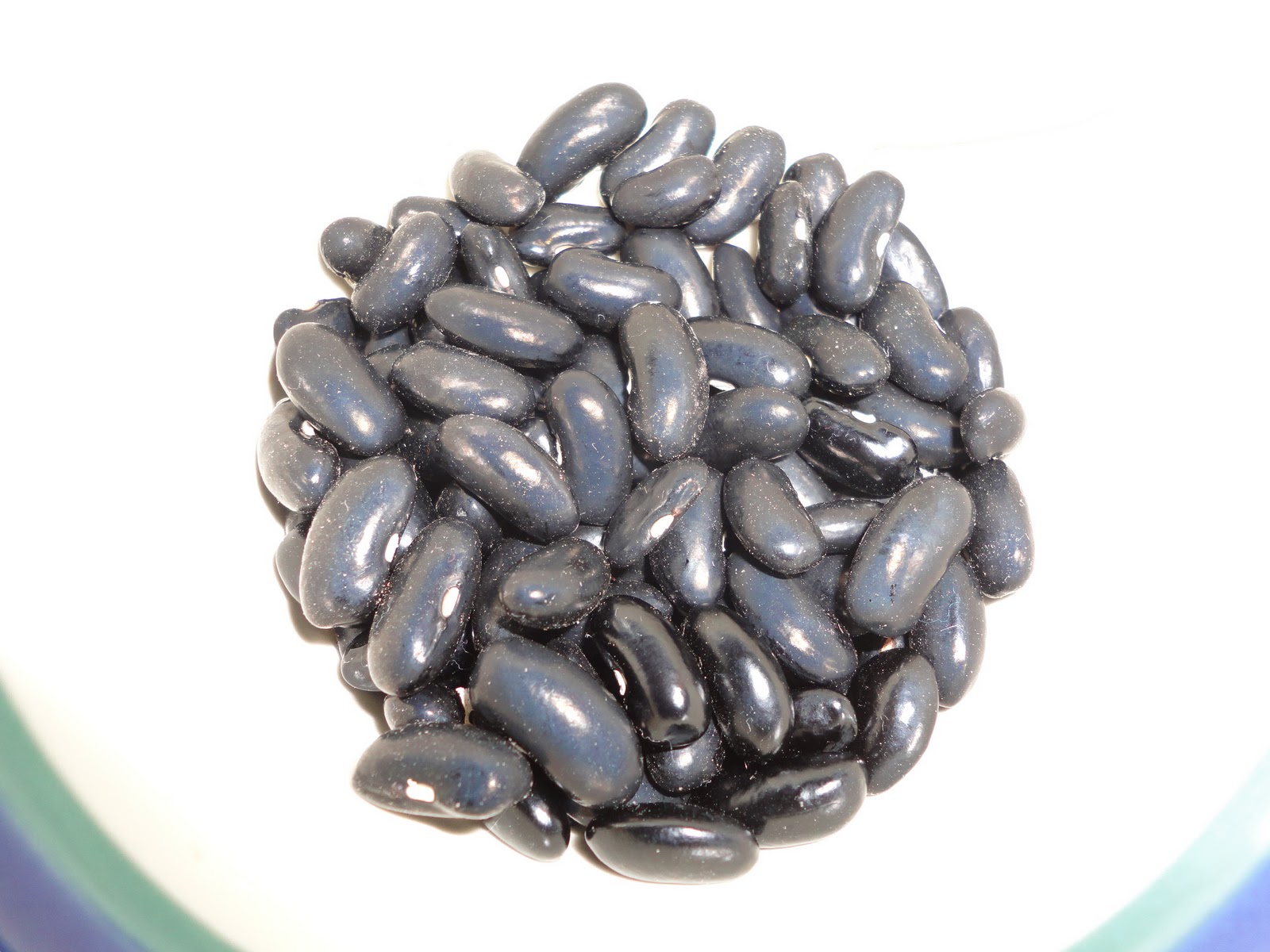
Finding the seeds of any plant is typically not to difficult.  Peas and beans are easy, but I always chuckle in the spring when we are planting them and one of my kids stops and peers at the seed in their hands and says, "Hey mom, these look just like the peas we eat."  The most difficult thing I have found with peas and beans is the importance of not eating all of them - some have to be saved back for seed and usually it is best to pick the nicest looking of the plants to save.

Lettuce can be a bit more difficult to determine what is the seed, but that is only because we don't allow the lettuce plant to typically live out its entire life cycle - we eat it in its young and tender teenage stage.  After it gets too bitter to eat and starts to bolt, it will then form a weird looking flower and then those start to go to seed - save those and you will have lettuce seeds for next year.

Sometimes figuring out where the seed is on a flower takes a little time and observation.  So many gardeners will tell you to "dead head" things that are no longer blooming, which is fine but then you often miss out on the seeds.  Personally, I think this is a bit of marketing on the part of the nurseries that grow flowers - they would rather people didn't get their own seeds because then it cuts in on their business so they tell us to do things like remove spent flowers.  Yes, it makes your flowers look prettier, but then they don't reproduce, and there are several plants that have fairly interesting looking seed pods that you would otherwise miss if you cut them off as instructed.

 There are many horticulturists that will tell you that many of the flowers we buy, or seeds we buy are hybrids and will not produce "true" seeds, and this is entirely true.....the first few years.  But, what I have discovered, often through benign neglect, is that flowers and plants, if given half a chance, will revert back to a more natural variety that does produce seeds true to form.  I am often reminded of the line in Jurassic Park when Malcolm says to the scientists, "Life finds a way" and he is entirely correct.

So, I meander around the garden and pick a handful or two of seeds off of the flowers, or I cut open the nicest looking tomato and, before throwing it in the pot, I scoop out a few hundred seeds for next year.  Some of the plants I simply watch ripen and dry and then shake the seeds out where I want them next year and others I simply let fall and plan on moving them to a new location after they sprout. 


A seed is both a plant's last and final hurrah before being annihilated by winter, and it's boundless hope for the future.  It will have absolutely no knowledge of whether or not what it produced will ever come to fruition, but it produces them just the same.  And I collect them.  I am the bridge to the future for many plants - keeping them warm and dry through the cold winter months and them scattering them in the spring to start over.  And they, in their turn, take care of me and provide me with a bridge to my future in the form of food. 

There have been times, when stuck indoors studying for genetics tests, when I have wondered how Gregor Mendel, the Austrian Monk that established the basics for genetics, could have spent countless days and seasons watching pea plants.....now I understand.

Monday, September 12, 2011

The Better Half

Change is hard. Anytime something changes, even for the good, it causes stress in our lives and stress leads to any number of health problems. There have been several changes lately, albeit small ones, but changes none-the-less and my health is taking a hit.

School started for all the kids, including our youngest, which means that the house is now unusually empty whereas it used to hum with the activities of a small girl. My business is growing - slowly - but the changes that have come about from that will take a while to settle out into a more normal routine. My husband has started taking on more "side jobs" as though the full time maintenance of the farm wasn't quite enough to do....there have been a lot of small and, technically, good changes. But I am still tapped out. Kids brought home "the crud" from school - that first wave of viruses that they all seem to pass around and introduce to one another almost as fast as they introduce themselves to their peers. And, to top it all off, at some point in the last four days I have internalized all my stress and placed it in a nice sore knot in my neck which no longer allows me to turn to look at anything on my left. I try to keep telling myself that, maybe with a twenty minute nap, all things will be improved and I will have the energy to go out and actually accomplish something....anything.

So far, it hasn't worked.

But, thankfully, there is another person that lives with me and seems to have a supply never ending energy - my better half.  We balance each other out most of the time - I'm full of energy when he is at a low point and vice verse, but lately he has definitely been carrying the "home front" load that seems to totally put me over the edge.  With all that still needs to be done on the farm before the snow flies, we have had to select which projects to tackle and then try to take them on together.  "Many hands make light work"....unfortunately due to school projects and activities, the "many hands" are simply his and mine.  The focus of this last weekend was the grapes. 
Five years ago I ordered and planted what were supposed to be "seedless" grapes - not sure where it got screwed up, but every grape that grows on the arbor has seeds in it. What we didn't expect, however, is that they are some of the most flavorful grapes I have ever tasted.  After spending the early summer picking Japanese beetles off them and attempting to cover them when they spray the fields with Round Up, we finally get to harvest.  I trudged along with Keith, carrying the bushel basket and we set to work picking.  Before we were 1/4 the way through the row we realized that we were in for a lot of grape.

One bushel basket, two five gallon buckets and four large bowls later we had finally picked all the grapes.  Roughly 50 pounds came off our four smallish grape vines.  Then the real work began.  I try not to, but I end up counting how many times I have to touch each fruit of vegetable on the way to processing it - once to pick it, once to pull it off the stem, another time to clean it, and then crushing.  For each of those 50 pounds of grapes, each grape was touched approximately 4 times, and that doesn't even take into consideration that then you cook them, strain them, strain them again, mix it with sugar and boil it, put it in sterilized glass jars and then boil it again.  Then we take the second straining left overs, which is the pulp of the grape minus the skin and seed, and mix that with sugar and cook it on a cookie sheet to make fruit leathers.  This is a project that takes all weekend with two people working full time.  17 pints of jelly, 11 cups of jelly, 4 quarts of juice, 7 pints of jam, and 5 cookie-sheet sized fruit leathers later we were finally finished.

Don't get me wrong, I love it that in the middle of winter I will be able to take a quart of concentrated Concord grape juice off the shelf and mix up home grown grape juice for the kids, or eat a fruit leather while out for a hike in the woods, or spread a thick layer of jelly on a piece of bread, but right at this time of year, with a cold and a wicked pain in the neck, it is hard to be enthusiastic about the whole process.  We finished the dark purple, sticky sweet mess on Monday night at approximately 10:30 pm and then I headed off to work on Tuesday. 
On Wednesday....we went and picked apples....approximately #140 pounds of them, that, thanks only to the un-ending energy of my spouse, will be processed into quart after quart of beautiful, tasty applesauce.  Meanwhile, I take on the challenge of the tomatoes and processing as many of them as possible into marinara, pizza sauce and frozen tomatoes which will provide a winter's worth of spaghetti sauce, pizza sauce and chili, if we are lucky...and if my energy holds out.

Thursday, September 1, 2011

Little Garden of Horrors

I'm not entirely sure when it happened, but at some point in the last month I completely lost all control of the garden.  The hot weather and humidity, while not good for the crops, apparently has no effect on the weeds. The spring always starts with the best of intentions to keep it well organized and weeded, but I have now come to realize that the weeds have become so thick that I will have to mow them down just to be able to get to the garden gate, much less through it.  Yesterday, while pulling weeds fiercely determined to find the ground under all the nightshade and crab grass, I unearthed a shovel that the weeds had absconded with - and not a "hand shovel" a full sized shovel!  It has become a bit of a jungle out there, and not in a good way.

 I start to envision being tripped up by the sweet potato vines and quietly covered over and devoured like some garden horror flick.  The tomatoes have out-grown their cages and are now about six feet tall and sprawling all over the ground.  My son and I tackled them yesterday and tied up the trailing vines as best as we could - they tend to get a little unruly at this stage.  I had him help me because, quite frankly, I was almost afraid of taking on that job by myself - I need someone to run for help after they overwhelm me.  Two hours and 18 tomato plants later, we emerged covered in tomato "dust" - the greenish/yellow iridescent pollen that made us both look like green wood nymphs and with hands so green they appeared black.  One project down....two million more to take on. 

Not only are the weeds and plants completely out of control, but the list of "to do" things becomes increasingly longer with more and more things to harvest and store. 
  • The potatoes are still to be dug, dried, and then stored. 
  • The peppers need to be harvested and then chopped and frozen, or grilled and then frozen. 
  • The beans are to be picked, shelled, dried and stored. 
  • The herbs - cut, dry, store. 
  •  Tomatoes - harvested, processed either by making into marinara, salsa, pizza sauce, or frozen. 
  • Strawberry patch - that just needs a good weeding and mulching so it is ready for next spring. 
  •  Lettuce - almost time to plant a few more rounds now that it is cooling off a little again. 
  • Sunflowers - seeds to be harvested, dried, brined and roasted. 

Just typing that list makes me tired and desperate for a nap.  I always think of Spring as such a busy time, but in all honesty fall is ten times worse in so many ways - why do I always forget that?  Maybe fall harvest is like child birth....there is something inherently built in our psyche that makes us forget how awful it was so that we will somehow be tricked into doing it again, and only as the pains of labor start does the memory come back.

I bought myself a present this year in preparation for the harvesting, freezing, processing, canning, storing nightmare that I am in building up to- a food processor.  If there is anything that takes a ton of time, it is all the chopping.  Most of the time I have done it manually, but when my typically marinara recipe starts by saying, "chop three large onions" and I would stand over a cutting board crying my eyes out for 40 minutes, well suffice it to say, it was never the highlight of the day.  The one that I purchased isn't very big, but it does the job and my kids fight over being the ones to push down the handle and chop the food.  I wonder how long that will last?

I am sure that at some point - probably into my thirtieth quart of marinara, I will stop caring about the weeds and the horrors that live in my garden and I will completely let it go to pot, venturing down there only to nab whatever produce I can before it is engulfed by the other viney vegetation.  Then I will stand on the porch and simply long for the first hard frost to kill it off and when that happens, then.....then I will take a nap.

Tuesday, August 9, 2011

Farm Kid Fun

I am still in recovery mode from last week.  Last week was the local county fair which is the time in which kids involved with FFA and 4-H get to strut their stuff.  Projects that they have been working on for a while (as well as those that were finished in the eleventh hour) are judged and scored.  Animals that they have been taking care of, teaching to lead, and handling get washed and groomed to look nice for their respective shows.  Lunches and dinners consist entirely of fair food for a week and the temperature in the shade is, without fail, about 110 degrees.

This used to be easier....I come out of the week feeling like something the cat dragged in.  I have driven the road to the fairgrounds so many times that I could do it in my sleep, I have a purse filled with "just in case" items that would make any event planner proud - tape, safety pins, paper clips, pens, markers, rags, lead ropes, lip gloss...you name it and I could probably find it in there. Not to mention the miscellaneous items that the little kids pick up at all the commercial exhibits - the bottles of bubbles, stickers, tattoos, pencils, tooth brushes, catalogs, used paper cups - it gets entirely out of hand.  Sun burned and smelling of whatever animal is to be shown that day, we make our rounds and ride the rides with the promise of Hawaiian shaved ice at the end of the day if there is enough cash left.


Don't get me wrong - I love it!....but it does take its toll on the parents.  When I was a kid, living at the fair was the highlight of the summer and I see the same thing reflected in my kids now, so who am I to deny them that fun? And they have fun while simultaneously learning new things.  During one of my weaker moments during the heat of a day at the fair I questioned whether they actually did learn anything, but my enduring son turned to me and rattled off his list of things he learned:
  • How to paint a room correctly and a mural to go with it.
  • How to grow garlic.
  • How to make a bat house and what white nose syndrome is in bats.
  • How to make a rocket out of scraps lying around the farm and get it to fly....and find it again in a soybean field.
  • How to build a fire (although I had to call him on this one because he kind of already knew how to make fire...not always safely... okay, so maybe he did learn something. )

Out of all these projects however, the one thing that they do learn how to do well is present themselves and be judged.  There is a lot of hard work that goes into a project - coming up with the idea, research, collecting the parts needed, assembling, experimenting, and completing projects all takes time and perseverance.  Then, to be able to explain to another person what, exactly, you did and why.....that is tough, but ironically what most people have to do on a daily basis while on the job.  Personally, I think the judges are entirely too lenient these days.  I seem to remember more white ribbons given out and more judges not being afraid to tell you just how much better you really could do if you just put in a little more time, but they are still being judged despite the relatively non-existent gradations of accomplishment.  I am probably their hardest judge - if they can get past me shaking my head and giving them the "you could do better" look, they are set for the judge. 

Too few kids are "judged" these days.  We have some crazy misconception that everyone should be a winner regardless of how bad you do and it has very rapidly led to demoralizing those kids that try exceptionally hard and making the lazy kids even more complacent.  We as a society have this crazy fear that if we tell a kid "this really isn't all that great, you could do better" that we will permanently scar and cripple them for all time.  When did kids become such wimps?  I definitely had my fair share of white ribbons and it taught me two things: I either had to work harder or, if I truly didn't like it, move on to something else.  Excel, or redirect.  This is how the best of the best get picked out - for a country so entrenched in Capitalism we sure do a lousy job of preparing our kids.  And, what's worse, we shake our heads and wonder what has happened to the younger generation and can't understand why they don't move out and get a job.   The corporate world is 'dog eat dog' and yet parents have been making sure that every puppy gets plenty to eat and lots of praise - no wonder they don't want to move out on their own and get a job.

Over the course of the week, we had a few rough patches - the sudden cold that my son got that made showing chickens a struggle and my daughter not having any back up music for her talent show competition (but she sang acapella amazingly anyway!)  Overall, I am happy to say that the week went very well. My son came out of the week with two State Fair trips and my daughter came away with a Champion trophy for her calf....yes, Hazel did well! They had put themselves out there and had fun doing it. The thing that I love to hear most of all at the end of the week is, "I can't wait until next year! I am going to take......, "  and the list is usually at least half a mile long.  I nod and smile and try to take fast mental notes that will later be used to direct all that energy and enthusiasm, but for now I am just going to breathe a sigh of relief that the county fair is done and restock the "just in case" items in my purse for going to State Fair.

Tuesday, August 2, 2011

In A Pickel

Waiting around for my cucumbers to really get going is one of the hardest things about summer.  I hate to say I hover, but I do - much to the detriment of my cucumber vines.  I get all giddy with pickling enthusiasm when the first blossoms appear and then nash my teeth when they either take too long to grow to the right size, or overnight seem to mushroom into an inedible cucumber-zilla, or the vine that they are on dies and takes down the cucumber with them.

Slowly, I finally come up with cucumbers enough to start the pickling process.  I soak them in salt brine overnight and then raid my garlic stores and dill plants to prepare to make sweet and sour pickles.

  • Salt brined cucumbers - drained and rinsed
  • One head (or maybe two) of dill - I take these at whatever stage they are in but I do usually pick some at the height of flowering and then put them directly in the freezer until the cucumbers catch up
  • Garlic - one clove cut into two pieces ( or if they are small, two cloves)  The pickled garlic is actually one of the favorite things to eat in the pickle jars.....my kids fight over it.
  • Pickling spice - can be purchased almost anywhere that canning goods are sold in grocery stores.
  • Brown sugar - more for sweeter pickels, less for more sour pickels
  • Vinegar - I use white, but apple cider works well too
  • Water
The reason I so love pickels is that it takes so little time to actually make them - I don't can them in a hot water bath,  so all that is needed it to bring the vinegar and water mixed with a little brown sugar up to a rolling boiling and then pour it over the cucumbers in the jar, and then screw on the lid - they seal as they cool and the vinegar ensures that they are acidic enough not to go bad over the winter. 

There are about as many different pickel recipes as there are people in the world - the trick is to try many and then see which one you like the most.  The hardest part is keeping track of which recipe you used on which jar because you have to let them sit and pickel for at least 3 weeks before you do any taste testing. I have had to hide mine from the kids to keep them from breaking into them early.    One of these years I am going to try fermented pickels - I have been told that this will take the pickels to a whole new level.

Since the cucumbers have (thus far) been disappointing, I have elected to pickel some hot peppers and more of the garlic separately since they are such a hit.  We may have horrible breath all winter, but at least we will keep any vampires at bay and Peter Piper will have nothing on me.

Sunday, July 17, 2011

Welcome To The Jungle - Random Thoughts While Weeding.

I find myself having to stop, midway through weeding the gardens for the thousandth time, and remind myself that this is the time of year that I dream about in January - hot, humid, and green.  And yet, when I am in the midst of it I am too hot and it is too humid and way too green!  The corn is about 4 feet over my head, the beans are stringing all over the place, the peas are getting totally lost amid all the weeds, my flower gardens are horribly neglected and the sweet potato vine has taken on the personality of Audry II in Little Shop of Horrors.   The list of vegetables and flowers to try to save from the assault of the weeds gets forever longer and my back and shoulders become ever more sun burnt from being stooped over pulling weeds all day.  Thankfully, there are a few plots of vegetables - namely potatoes and squash that were mulched well with straw and newspaper that don't require much work other than to pull out the occasional errant weed, but the other seemingly endless beds of plants needing my attention are enough to make anyone wish for a sudden, yet definitive frost.

I often channel my grandmother when this sense of being completely overwhelmed strikes.  Her motto for cleaning her house - which was a large four square and a lot of space for an elderly lady to tackle - was to "clean one corner per day"  At the time she told me this I was probably about 15 and thought 'that's crazy - it would take weeks to get the house clean' not realizing at the time the wisdom of my grandma.  The hardest part is always starting.  A task too big will put just about anyone into procrastination mode, but to set the goal of cleaning just one corner....that is do-able and so you begin the task and before you realize it, the entire house is cleaned because you naturally progress from one corner to the next and so on.  I apply the same thought process to my gardens although it is modified slightly to  "save just one plant from the weeds". 

This particular mindset came about when I was about 8 months pregnant with kid number 4 and I couldn't bend over anymore to get at the weeds - those were long, hot days indeed - but plant by plant I continued to weed.  Some days I literally did save just one plant at a time before having to go inside and take a break, but these days I start with one plant and slowly drift from plant to plant to plant until I look around at the carnage of weeds around me. I was so proud of weeding my entire tomato patch the other day that I just sat on the dirt as though it were the nicest sand of the beach and basked for a few minutes - actually looking up at the sun and letting the front half of my body have some exposure to the light for once.

I think of my grandparents often when working in the garden.  Things my grandma used to say, poems she taught me, the lives they all lived.  One of the things that I most enjoy is knowing the favorite flowers of my grandparents  - for my Grandpa George it was Marigolds, for Grandma Syl it was Petunias and for Grandpa Dave it was Four o'clocks.  Grandma Vera had so many favorite flowers and grasses that I don't think she could ever pick just one.  I grow all these flowers in my garden and have found that most of them will self seed year after year, which gives the feeling that my grandparents are with me all the time.  That connection, however abstract it may be, is very comforting and I will find myself mentally talking with my grandparents periodically as I go about saving one plant or another from hostile takeover by weeds - I imagine what they would say about current events, the kids, my old house.  All of my grandparents were farmers in South Dakota and lived through the Dust Bowl and the Great Depression.  Imagining what those times were like - how difficult, how frightening - makes my own stress about current events slightly more bearable.

 Weed, weed, weed......drifting about the gardens thinking all the while.....it is incredibly hot right now and I know there are many that consider me crazy, but we don't have air conditioning and I like it that way.  Again, I think of my grandparents that lived (and enjoyed) their lives without the benefit of air conditioning. The trick is to cool the house off at night by opening all the windows and then closing them during the day to contain the cooler air.  It works well, no expensive air conditioning needed.  We have become a society of wimps - addicted to our televisions, iPhone and air conditioning.  There is a way to becoming energy independent....it's called 'not using it'.  Given the current state of society, it will never happen. 

Weed, weed, weed.....sorting through flowers and weeds and came across the season's first Preying Mantis.  Very small - only about the length of my little finger and very quick.  She doesn't realize yet that she is the top of the insect food chain.  I won't even dare to hurt her because she is too valuable for eating unwanted bugs.  I will perhaps move her to a more desired hunting location, but I wouldn't think of harming her.

The worst part to all this weeding is collecting and disposing of the weeds afterward.  Inevitably, while raking up all the weeds I will spot a few thousand more and it will take me another half hour before they are all raked up and thrown into the compost bin where they will be quickly broken down into something far more useful than the weeds they were.  The jungle still lives on, but at least one corner of it is now more under control.

Tuesday, July 12, 2011

The Scourge of the Beetle

There is one part of summer that I completely dread - the part that includes removing, by hand, all the vermin that seek to decimate our crops before we have a chance to devour them ourselves.  Potato bugs, squash beetles, cabbage moth caterpillars, horn worms, but the very worst of the worst.....Japanese beetles.

They show up on the scene at about the same time as the blueberries ripen and within days can completely ruin a vineyard of grapes or raspberry bushes.  I have also known them to eat all the silks off my corn thus limiting the corn's ability to germinate well.  Not to mention the destruction that they cause to my flower gardens - roses, Canna Bulbs, and woodbine all get munched into small Japanese beetle pellets.

The farmers, of course, spray for them with whatever nasty, harmful chemical the agricultural industry has come up with to kill them, but many will fly from their fields to mine in front of the sprayer.....thanks neighbor, that's just what I wanted - toxic chemicals AND the nasty beetles.

They didn't seem to be so bad the first few years of having the farm, but my suspicion is that we just didn't recognize or care so much about the food that we were attempting to raise to notice the destruction that was caused by these little beasts.  Now they are significantly worse than they have been in the past years.  Like all obnoxious pests, when they gain a foot hold they seem to make the most of it.  I always joke that if we actually tried to get them to spread and grow they would probably die off.

There are a lot of natural ways to try to decrease the numbers of beetles - traps (which, incidentally, seem to actually draw them from miles around), nematodes to infest them and kill off the grubs in the soil before they hatch into beetles (which takes a bit of work and the right timing to know when the grubs are most susceptible), and my preferred favorite - hand picking.

Every morning my husband goes out with a bowl of water and collects bugs.  Some people suggest soapy water, but we avoid the soap....with good reason that will be revealed later.   Sometimes it takes a quarter hour and sometimes it takes an hour and a half to get most of the bugs off the bushes and grapes.  It never seems to matter how many are picked off, there will be more by nightfall when it is done again.  I try to spend some time in my flower gardens picking them off the flowers there as well, but I can honestly say I am not as diligent as my husband is about picking them off the grapes and raspberries....and my flowers pay the price, but then again we don't have to eat my flowers. 

As time consuming as this is, and as monotonous, it has an up-side.....disposal.  We had started out with the soapy water, but then I had a thought while watching a chicken working like mad to find a cricket that had escaped into a crack in the sidewalk.....maybe the chickens will like them. It was like Mikey on the "Life" commercial, "... He likes it!  Hey Mikey!"  A small handful of the swimming, swarming mass is tossed out onto the floor of the chicken coop and then the feeding frenzy begins. 

I am not really one to deliberately hurt beings if I can help it, but there are some lines that do get drawn when attempting to grow your own food. It is a bit gladiatorial, but very satisfying.... if you are a crop eating bug, you will be summarily sentenced to death by chicken unless you are strong enough or lucky enough to escape from the coop unscathed.  Some do, I know, I have seen them crawling off to hide out of sight of the chickens.  My luck, I am slowly, inadvertently running a Darwinian experiment and evolving a new breed of Japanese beetle that is smarter, faster and luckier than the typical beetle.  Hopefully, my chickens are also evolving right along with them.

Wednesday, July 6, 2011

Blue Period


If June is the month of strawberries, July is the period for blueberries.  Somehow I had the forsight to plant three bushes of blueberries about five years ago and then planted two more bushes last summer.  I think maybe I should have planted at least another ten this year.  These tiny little packets of anti-oxidant bliss are nothing like the ones that you buy in a store.....sorry, but true. Sure the ones from the store are round and blue, but they are berries formerly known as blueberries by the time they hit the shelves.  Right off the bush is the only way to eat them.  Some are small and tart and others are as big as a dime and juicy.  "Tart and sweet all at the same time" is the way that my daughter aptly desribes them.  They take a simple bowl of cereal to whole new heights.   This time of year, the writing definitely slows down, but it is only because I am outside on hands and knees around the blueberry bushes getting every last one.

Followers